

Professional communication equipment forms the backbone of critical operations across security, construction, and marine industries throughout the UK. Yet many organisations overlook fundamental safety protocols that protect both personnel and expensive radio systems from preventable hazards. From RF exposure compliance to battery handling and antenna configuration, understanding these essential safety criteria ensures your team operates within legal boundaries whilst maximising equipment reliability and longevity in demanding environments.
Table of Contents
- Understanding Radio Frequency Exposure Limits
- Maintaining Your Two-Way Radio Equipment For Safety And Longevity
- Safe Battery Handling And Charging Practices
- Optimising Antenna Placement And Configuration For Safety And Performance
- Explore Professional Two-Way Radio Solutions And Services
- Frequently Asked Questions About Radio Equipment Safety
Key takeaways
| Point | Details |
|---|---|
| RF exposure compliance | All radio equipment must meet UK SAR limits of 2 W/kg to protect user health and satisfy legal requirements |
| Regular maintenance schedules | Quarterly inspections in harsh environments can extend equipment lifespan by up to 30% whilst ensuring safety |
| Battery safety protocols | Never charge lithium-ion batteries unattended as thermal runaway can cause fires or explosions |
| Antenna optimisation | Proper antenna height and placement can increase communication range by 40% whilst maintaining regulatory compliance |
| Documentation practices | Recording all inspections and maintenance activities tracks device health and demonstrates compliance |
Understanding radio frequency exposure limits
Radio frequency energy emitted by two-way radios requires careful management to protect users from potential health risks. The Specific Absorption Rate measures how much RF energy body tissue absorbs during radio use. In the UK, compliance with RF exposure limits follows standards derived from EU regulations, with devices restricted to maximum SAR values of 2 watts per kilogram averaged over 10 grams of tissue.
The Radio Equipment Regulations 2017 establish the legal framework governing RF safety in Great Britain. These regulations remained in force following the UK’s departure from the EU, maintaining stringent requirements for manufacturers and users alike. Excessive RF exposure carries documented health risks including tissue heating and potential long-term cellular damage, making adherence to these thresholds essential for workplace safety.
Professionals using radio equipment daily must verify their devices meet current UK standards. Check manufacturer specifications for SAR ratings before deployment. Maintain proper distance between the antenna and body during transmission, typically at least 2.5 centimetres for handheld units. When hiring versus purchasing two-way radios, confirm the supplier provides equipment certified to UK regulatory standards.
Pro tip: Always verify radio devices comply with UK standards before use to ensure safety and avoid potential legal liability for non-compliant equipment in your workplace.
Key regulatory thresholds include:
- Maximum SAR of 2 W/kg for body-worn devices
- Reduced limits for head and trunk exposure compared to limbs
- Mandatory conformity marking on all commercial radio equipment
- Regular testing requirements for modified or repaired units
Maintaining your two-way radio equipment for safety and longevity
Systematic maintenance programmes prevent equipment failures that compromise both safety and operational effectiveness. Regular maintenance can extend equipment lifespan by up to 30%, with quarterly inspections recommended for radios operating in construction sites, marine environments, or other harsh conditions. Annual checks suffice for devices used in controlled indoor settings.
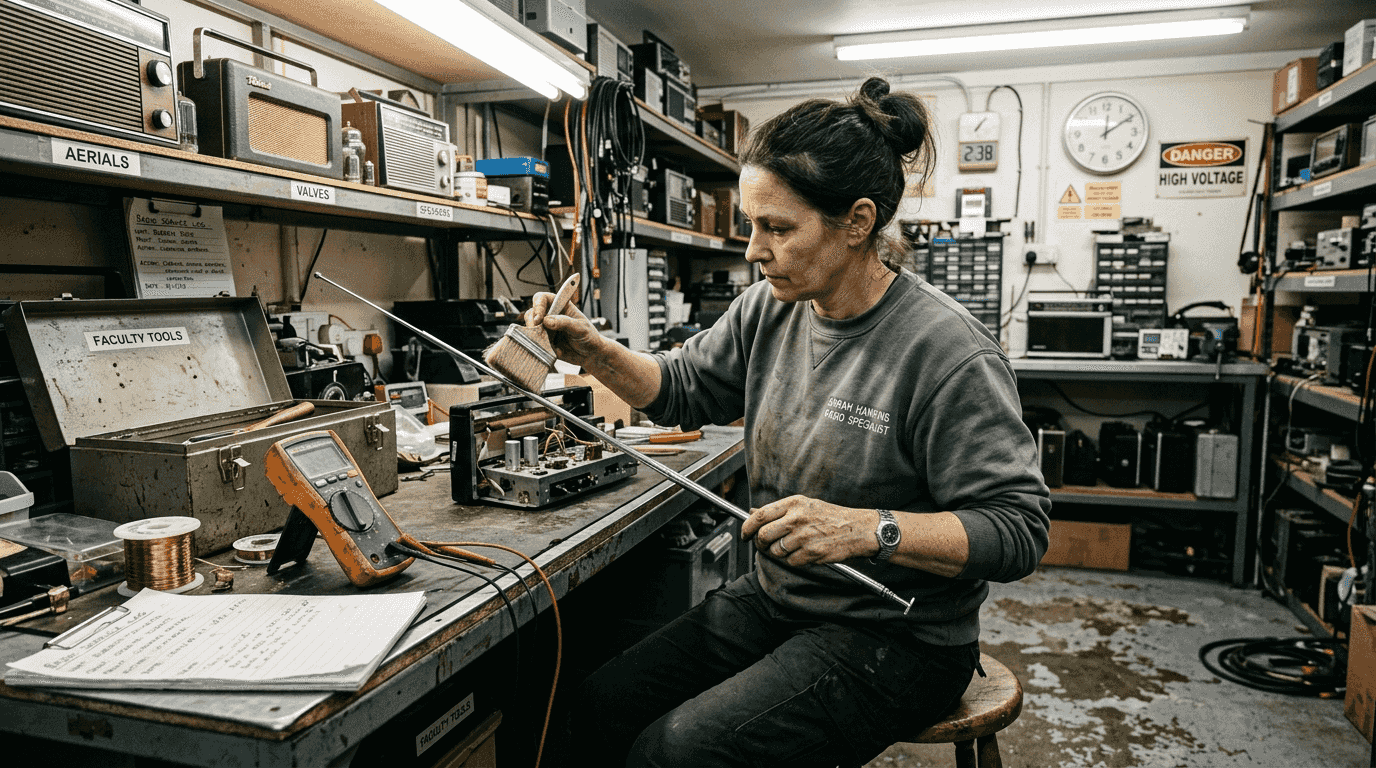
Your inspection routine should examine critical components systematically. Antennas require particular attention as damage reduces transmission efficiency and may cause RF exposure issues. Check for cracks, corrosion, or loose connections. Battery contacts need cleaning to prevent charging failures. Inspect housing for cracks that could allow moisture ingress, especially important for waterproof ratings. Maintaining portable electrical equipment following HSE guidance reduces workplace danger significantly.
Follow this maintenance checklist to keep equipment safe and operational:
- Examine antenna for physical damage, corrosion, or loose mounting
- Test battery contacts and clean with appropriate solution if oxidised
- Inspect housing seals and gaskets for deterioration or damage
- Verify all buttons, switches, and controls function correctly
- Check audio quality through speaker and microphone tests
- Confirm battery charges fully and holds charge appropriately
- Review programming settings match current operational requirements
Documentation transforms maintenance from reactive to proactive. Record inspection dates, findings, and corrective actions taken. This log demonstrates compliance during audits and reveals patterns indicating when devices approach end of service life. Digital maintenance tracking systems simplify this process whilst providing valuable data for budgeting replacement cycles.
Pro tip: Document all inspections and maintenance to track device health and compliance, creating an audit trail that protects your organisation whilst identifying equipment requiring replacement before failures occur.
Proper maintenance confirms safety compliance beyond just meeting legal requirements. Well-maintained radios perform reliably during emergencies when communication proves most critical. For guidance on two-way radio maintenance tips, consider waterproofing requirements specific to your operating environment.
Safe battery handling and charging practices
Lithium-ion batteries powering modern two-way radios present significant fire and explosion risks when handled improperly. Thermal runaway, a chain reaction where battery cells overheat uncontrollably, can ignite fires reaching temperatures exceeding 500 degrees Celsius. Charging unattended lithium-ion batteries has caused dangerous incidents, with documented cases of radios exploding during charging cycles.
Fires caused by lithium-ion batteries represent a growing safety concern across UK workplaces and homes. Hampshire Fire and Rescue Service reports increasing incidents linked to portable device batteries, emphasising the importance of vigilant charging practices. These fires produce toxic fumes and spread rapidly, requiring immediate evacuation and emergency response.
Implement these charging safety protocols:
- Charge batteries only when personnel are present to monitor
- Use exclusively manufacturer-approved chargers designed for your specific battery model
- Charge in well-ventilated areas away from flammable materials
- Remove batteries from chargers once fully charged
- Inspect batteries before charging for swelling, damage, or unusual heat
- Never charge damaged or swollen batteries
- Maintain charging areas with accessible fire extinguishers rated for electrical fires
Recognise these battery hazards requiring immediate action:
- Swelling or bulging battery cases indicating internal damage
- Unusual heat during charging or use
- Hissing, popping, or other abnormal sounds
- Chemical odours or visible leakage
- Discolouration or corrosion on terminals
- Batteries dropped from height or subjected to impact
If a battery begins smoking or shows signs of thermal runaway, evacuate the area immediately and contact emergency services. Do not attempt to extinguish lithium battery fires with water. Use appropriate fire suppression equipment or allow professional firefighters to respond. When considering safe use of two-way radios, factor battery safety into your equipment selection criteria.
Purchase batteries exclusively from reputable manufacturers or authorised distributors. Counterfeit batteries lack safety features and quality control, dramatically increasing fire risk. Dispose of damaged or end-of-life batteries through proper recycling programmes rather than general waste, as lithium batteries pose environmental hazards and can ignite in waste collection vehicles.
Optimising antenna placement and configuration for safety and performance
Antenna configuration directly impacts both communication effectiveness and regulatory compliance. Antenna height and type influence range significantly, with elevated installations potentially doubling communication distance by up to 40% compared to ground-level placement. However, improper antenna setup can create interference, reduce range, or breach legal requirements.
Antenna selection depends on frequency bands, coverage requirements, and installation environment. VHF antennas typically measure longer than UHF equivalents due to wavelength differences. Marine applications often require specialised saltwater-resistant antennas with specific radiation patterns. Construction sites benefit from robust antennas withstanding vibration and impact.
| Antenna type | Frequency compatibility | Typical range impact | Safety considerations |
|---|---|---|---|
| Stubby antenna | VHF/UHF | Reduced range, compact | Lower RF exposure, minimal snag risk |
| Standard whip | VHF/UHF | Optimal for handheld use | Maintain body distance during transmission |
| High-gain base station | VHF/UHF | Maximum range extension | Requires proper grounding, height restrictions |
| Marine antenna | VHF marine band | Weather-resistant performance | Salt corrosion protection, lightning considerations |
Follow these antenna optimisation practices:
- Position base station antennas at maximum practical height whilst respecting planning restrictions
- Ensure ground plane antennas have adequate conductive surface beneath mounting point
- Maintain separation between transmitting antennas to prevent interference
- Route coaxial cables away from electrical interference sources
- Use appropriate connectors matching impedance requirements
- Verify antenna tuning matches radio frequency settings
- Ground outdoor antennas following electrical safety codes
Verify your antenna setup meets safety and performance standards:
- Confirm physical installation stability withstands environmental conditions
- Test standing wave ratio to ensure efficient power transfer
- Measure actual coverage area matches operational requirements
- Check for interference with other radio systems
- Verify compliance with planning regulations for visible external antennas
- Ensure lightning protection on elevated outdoor installations
Incorrect antenna configuration wastes transmission power, reduces effective range, and may violate regulatory limits on effective radiated power. Professional two-way radio antenna installation ensures optimal performance whilst maintaining compliance with UK radio regulations.
Explore professional two-way radio solutions and services
Implementing these safety practices becomes simpler when working with experienced communication specialists. Smye-Rumsby has provided professional radio solutions across the South East of England since 1948, offering expertise in equipment selection, installation, and maintenance that prioritises both safety and performance.
Whether you need two-way radio hire options for temporary projects or permanent installations, accessing equipment that meets current UK safety standards ensures compliance from day one. The company’s partnerships with manufacturers like Motorola deliver Motorola R2 radios and other professional-grade devices designed for demanding environments. Marine professionals benefit from specialised marine radio electronics engineered for saltwater conditions and regulatory requirements specific to maritime communication.
Frequently asked questions about radio equipment safety
What are the legal RF exposure limits for two-way radios in the UK?
UK regulations limit Specific Absorption Rate to maximum 2 watts per kilogram averaged over 10 grams of tissue for body-worn radio devices. These limits derive from Radio Equipment Regulations 2017 and apply to all commercial radio equipment sold or used in Great Britain.
How often should I inspect my two-way radio equipment for safety?
Inspect radios quarterly when operating in harsh environments like construction sites or marine settings where moisture, dust, and impact accelerate wear. Annual inspections suffice for equipment used primarily indoors in controlled conditions, though monthly visual checks remain advisable.
What are the safest practices for charging radio batteries?
Never charge lithium-ion batteries unattended, use only manufacturer-approved chargers, and charge in ventilated areas away from flammable materials. Remove batteries once fully charged and immediately discontinue charging any battery showing swelling, unusual heat, or damage.
How does antenna placement affect both performance and safety?
Elevated antenna placement can increase communication range by 40% whilst proper body separation during transmission reduces RF exposure. Incorrect antenna configuration may cause interference, reduce effective range, or breach regulatory limits on radiated power, creating both operational and legal issues.
What should I do if my radio battery starts to overheat or emit smoke?
Evacuate the area immediately and contact emergency services, as lithium battery thermal runaway can cause fires reaching 500 degrees Celsius. Never use water on lithium battery fires and allow professional firefighters to respond with appropriate suppression equipment rated for electrical and chemical fires.
Recommended
- Case Studies – Smye-Rumsby – Experts in Two-Way Radios and Marine Electronics
- We are experts in Two-Way Radios & Marine Electronics in Kent
- Two-Way Radio Hire & Services: Find the Best Options Today – Smye-Rumsby – Experts in Two-Way Radios and Marine Electronics
- Accreditations – Smye-Rumsby – Experts in Two-Way Radios and Marine Electronics